
Why Travelers Are Moving Away From Traditional SIM Cards
Your Go-To Guide for Choosing the Best International eSIM Plan
An international eSIM is a digital SIM card that lets you activate a cellular plan from a global provider without needing a physical card. It works by downloading a network profile directly onto your device, allowing you to connect to local networks in multiple countries as you travel. This means you can skip hunting for local SIMs and avoid expensive roaming fees, giving you instant connectivity wherever you go. To use it, simply scan a QR code or download an app to get started in minutes.
Why Travelers Are Moving Away From Traditional SIM Cards
Travelers are moving away from traditional SIM cards because they require physical swapping and often lock users to a single country or expensive roaming. An international eSIM eliminates this by allowing instant activation of a local data plan via a QR code, avoiding the hunt for a physical store. This means no risk of losing a tiny SIM card during a layover and no need to juggle multiple cards for multi-country trips. Why are travelers abandoning plastic SIMs? They prefer the convenience of managing one eSIM profile that connects them upon arrival, removing the hassle of unlocking phones or paying unexpected roaming fees.
Hidden roaming fees and the hunt for cheaper connectivity
The decision to ditch traditional SIMs often stems from battling hidden roaming fees that silently inflate travel budgets. A standard carrier might charge a flat daily rate that seems transparent, yet still applies data-throttling or per-megabyte overage costs after minimal usage. The hunt for cheaper connectivity drives travelers to pre-purchase local eSIM data packages, which offer a fixed gigabyte allowance for a set price. This shift transforms connectivity from a reactive expense into a proactive, cost-controlled purchase. By comparing eSIM plans directly against their carrier’s fine-print add-ons, users can avoid surprise charges tied to network preference or short trip durations.
| Traditional SIM Roaming Fee Pitfall | eSIM Cost Control Strategy |
|---|---|
| Flat daily pass applies even on idle days | Pay only for data needed, per day or total trip |
| Overage rates charged after soft cap reached | Hard data cap at purchase price; no hidden increments |
| Unused daily passes expire, wasting money | eSIM balance rolls or stays for future activation |
| Network lock prevents switching to local rates | Switch eSIM profiles to cheapest local carrier instantly |
Comparing plastic SIMs to digital alternatives for globe-trotters
For globe-trotters, the physical plastic SIM is a tangible hassle—it requires hunting down local shops, juggling tiny chips, and risking loss during country hops. Digital alternatives like an international eSIM eliminate this entirely, letting you switch networks without ever touching a card. You can pre-load data for your entire trip and activate a new local profile in seconds, avoiding the frantic search for a store upon landing. This is where digital SIM flexibility for travel truly excels; you can manage multiple plans for different regions from a single app, ditching the need to carry fragile adapters or keep track of expired physical cards.
Plastic SIMs tie you to physical logistics; digital alternatives let globe-trotters switch countries and carriers instantly without swapping a single card.
How Digital SIM Technology Actually Functions Across Borders
An international eSIM functions across borders by storing multiple network profiles directly on your device’s embedded chip, eliminating the need for physical SIM swaps. When you cross a border, the eSIM communicates with local partner networks via remote SIM provisioning, a process governed by the GSMA standard. Your device automatically selects and activates a valid profile from the eSIM’s stored data, which is downloaded and encrypted over a secure internet connection before travel. Q: How does an eSIM switch networks? A: It uses the device’s radio to scan for local towers, then authenticates via the stored profile’s credentials without altering the physical SIM slot. This happens seamlessly, requiring only a compatible phone and a purchased plan; the user does not need to manually reconfigure settings for each country.
Provisioning profiles without swapping physical cards
When traveling internationally, provisioning profiles without swapping physical cards lets you activate a local carrier’s service entirely through software. Your device downloads a profile containing network authentication keys, which the eSIM securely stores. This process replaces the need to buy and insert a physical SIM, as the profile installs directly onto your phone’s embedded chip. Once activated, the profile manages connectivity preferences, allowing seamless switching between your home and a local data plan.
- Download and install a new provisioning profile via an app or QR code, avoiding physical SIM swaps.
- Store multiple profiles on one eSIM, enabling instant activation as you cross borders.
- Delete expired profiles remotely to free storage for future trips without handling hardware.
Network switching behind the scenes for seamless coverage
When crossing borders, your international eSIM initiates automatic carrier arbitration, a silent handover process where the device’s built-in modem scans available local networks using a prioritized vendor list embedded in the eSIM profile. The eSIM then evaluates real-time signal strength and latency metrics before instructing the radio to detach from the current network and attach to the optimal foreign partner. This sequence occurs within milliseconds:
- The eSIM identifies a new available network with a superior signal.
- The modem sends a location update request to the new carrier’s core.
- Your IP session is reassigned via a mobile packet gateway, maintaining active connections without user input.
This logic ensures that you remain connected without manual intervention, even during rapid cross-border travel.
Selecting the Right Data Plan for Cross-Country Trips
Selecting the right data plan for cross-country trips requires prioritizing coverage across multiple regions rather than single-country speeds. An international eSIM allows you to switch between local networks seamlessly, but you must verify that the plan includes multi-country data pooling to avoid surprise top-ups. For long drives, look for plans with at least 10 GB of high-speed data and unlimited throttled access for navigation. Avoid voice-only or SMS-heavy bundles, as cross-country trip data reliability depends on consistent LTE/5G roaming agreements with major carriers in each zone you traverse. Pre-load maps and streaming apps before departure to reduce live usage.
Regional versus global packages and their real-world performance
Regional packages, covering clusters like Europe or Asia, often deliver superior real-world performance across multiple countries by leveraging local carrier partnerships, yielding faster speeds and lower latency compared to global plans. Global packages, while offering broader single-plan convenience, frequently throttle data or impose lower priority access on crowded roaming networks in certain regions. For example, a regional European eSIM may provide seamless 5G in France and Germany, whereas a global plan might connect via a single international backbone, leading to inconsistent throughput during peak hours. This disparity in network prioritization means regional plans generally outperform global ones for focused cross-country trips.
Data caps, throttle speeds, and fair usage policies decoded
On a cross-country trip with an international eSIM, a data cap is the total high-speed data you’re allotted before everything changes. Once you hit that limit, the provider typically enforces throttle speeds, slowing your connection drastically—often to 128kbps or less—which makes loading maps or streaming music borderline impossible. Fair usage policies decode how these limits are applied across networks, sometimes triggering throttling earlier if you use too much data in a very short time, even if you haven’t hit your plan’s cap. Understanding throttle triggers is crucial so you aren’t stuck with a frozen navigation app at a critical junction.
Q: How can I avoid hitting throttle speeds on my international eSIM during a long drive?
A: Check your plan’s true data cap and use offline maps for navigation. Save music and podcasts locally, and disable background app refresh. If you roam through areas with weak signal, turn off automatic video playback—it uses way more data than you think.
Compatible Devices and Activation Steps for Multi-Nation Use
For multi-nation use, your device must be unlocked and eSIM-compatible. Most recent iPhones (XR and later), Google Pixels (3a and later), and Samsung Galaxy S20 or later models support this. Activation steps begin with scanning a QR code or installing a provider’s app while connected to Wi-Fi. You typically add the eSIM profile under your device’s cellular settings, labeling it as a secondary line for data. Activate the eSIM before traveling to ensure immediate local network registration upon arrival in the first country. For multi-nation use, avoid toggling the eSIM off when crossing borders; most international eSIMs auto-connect to partner networks seamlessly without further input.
Checking your smartphone’s eSIM readiness before departure
Before you pack, confirm your smartphone supports eSIM by navigating to *Settings > Cellular > Add Cellular Plan*. If you see no “+” option, your device likely lacks eSIM hardware. Verify eSIM compatibility with a quick carrier unlock check — locked phones won’t accept foreign profiles. Visit your phone manufacturer’s support page to ensure your model isn’t region-locked. A simple “IMEI check” online can confirm readiness instantly. Run these checks days prior to avoid last-minute scrambling.
Use your phone’s settings menu and carrier status to verify eSIM support and unlock status before buying any international data plan.
QR code scans and app-based setup for immediate service
Activation for an international eSIM typically bypasses physical card logistics, relying instead on QR code scans and app-based setup for immediate service. The process generally follows a sequential logic: first, the user purchases a data plan and receives a unique QR code via email or in-app. Second, scanning that code with a device’s camera automatically installs the eSIM profile. Third, the accompanying app configures the APN settings and toggles the data line, enabling cellular connectivity within seconds. This eliminates manual entry and store visits, ensuring near-instant network access upon arrival in a supported multi-nation zone. The entire activation chain—from scan to service—completes without physical intervention.
Managing Multiple Lines While Hopping Between Countries
For seamless connectivity, managing multiple lines while hopping between countries hinges on using an international eSIM as a central hub. Rather than physical SIM swapping, you keep your home number active for banking and verification while a primary data eSIM handles high-speed roaming. Assign secondary lines for local taxi apps or delivery services in each new country, toggling them on only when needed via your phone’s settings. This prevents bill shock and ensures you never miss a critical call. With an international eSIM, you control which line uses data at any border crossing, eliminating the chaos of juggling physical cards or losing access to essential two-factor authentication codes.
Keeping your home number active alongside a travel profile
Keeping your home number active while using an international eSIM for travel is crucial for receiving bank verification codes or two-factor authentication texts. You can achieve this by enabling dual SIM standby on your phone, where your physical SIM or primary eSIM maintains a cellular connection for incoming SMS and calls, while the travel eSIM handles data. A practical tip is to disable data roaming on your home line to avoid unexpected charges, ensuring it only uses a minimal signal for texts. This setup lets you seamlessly manage logins and urgent contacts without sacrificing your local connectivity abroad.
Switching between carriers without losing local contacts
Switching between carriers while abroad risks losing locally saved contacts if they reside on the physical SIM. With an international eSIM, you assign a primary line for iMessage/FaceTime and a secondary for data, ensuring your local contacts remain accessible via the primary number. To preserve them, sync your contacts to iCloud or Google before switching. This separation lets you swap data carriers on the secondary line without touching the primary’s contact storage. Local contact retention is guaranteed when your primary line remains static. A backup ensures no loss during carrier tests.
Switching between carriers without losing local contacts requires keeping a static primary line for messaging and syncing contacts to cloud storage before any carrier change.
Data Speeds and Latency When Roaming on Foreign Networks
Data speeds and latency when roaming on foreign networks with an international eSIM depend entirely on the local carrier it connects to, not the eSIM provider itself. Your eSIM simply negotiates access to a host network, so speeds mirror that local infrastructure—often capped at 4G/LTE with throttled peak rates. Latency increases due to backhaul routing through the provider’s home servers, adding 30–80ms over local connections. Always check the eSIM’s listed roaming partners for supported bands to avoid 3G fallback. A common question: “Will video calls lag on an international eSIM?” Yes, if latency exceeds 100ms, which occurs on distant host towers or overtaxed local nodes, causing packet loss and buffering.
4G, 5G, and LTE access in different regions
An international eSIM’s real-world speed hinges on regional 4G, 5G, and LTE deployment quirks. In Western Europe and East Asia, wide 5G sub‑6 GHz coverage consistently delivers low latency, often under 20 ms, though mmWave remains rare. North America offers robust LTE‑Advanced with carrier aggregation, but 5G mmWave is limited to dense urban cores. Conversely, in South Asia and parts of Africa, LTE is still the dominant reliable standard, while 5G rollout is fragmented, often using sub‑1 GHz bands for range over raw speed. Even within a single country, a user may switch between LTE and 5G multiple times during a train ride due to spotty mid‑band deployment. For roaming, 4G access remains the safety net, as roaming agreements often cap foreign devices on 5G networks to LTE speeds in certain regions.
In summary, practical 4G, 5G, and LTE access varies drastically by region: Europe and East Asia lead in consistent 5G coverage, North America excels at LTE‑Advanced performance, while many emerging markets rely on LTE as the primary high‑speed fallback for international eSIM users.
Factors that slow connections overseas and how to avoid them
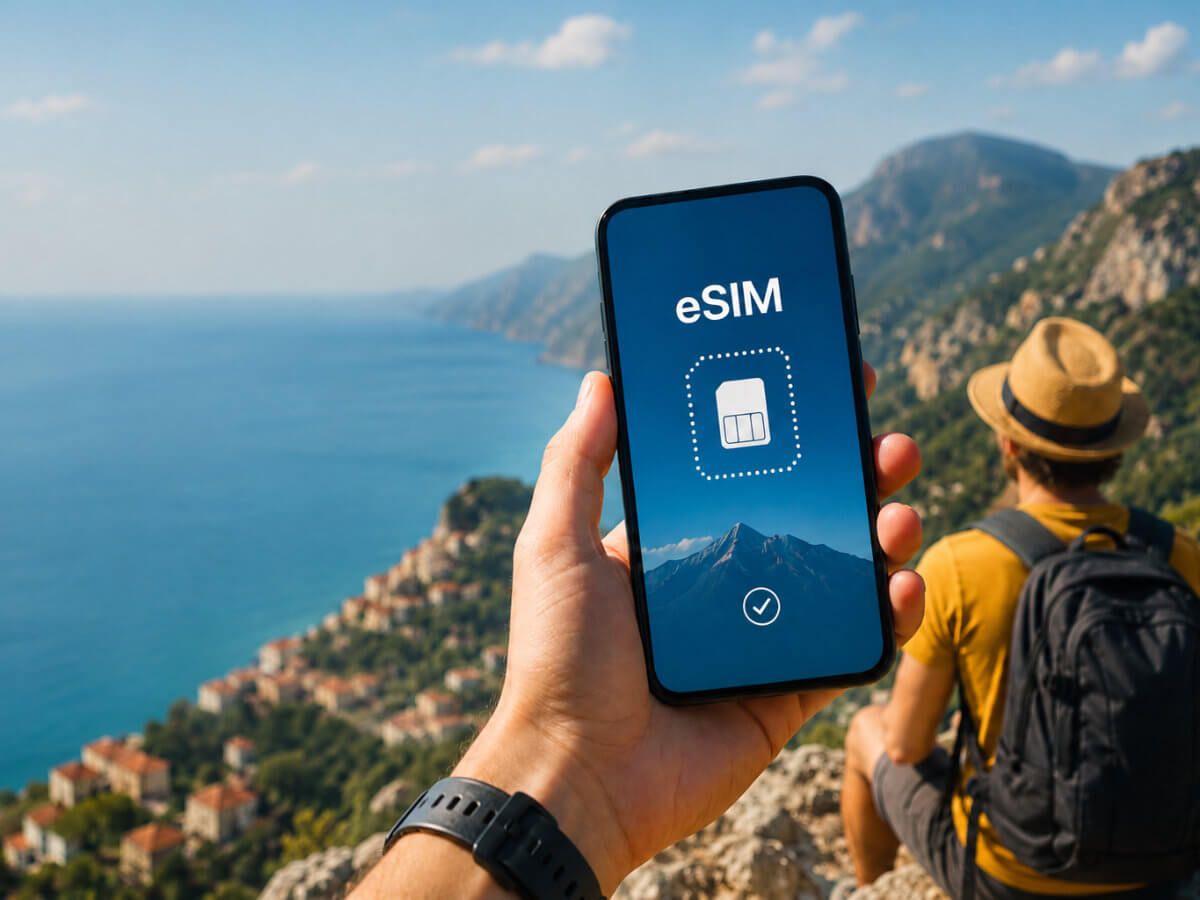
Overseas connections via an international eSIM can be slowed by routing your data through the home network (tromboning) or connecting to congested local towers. To avoid these slowdowns, select an eSIM provider that offers direct peering with local carriers in your destination, preventing data detours. Manually switching to a less crowded network operator in your device’s settings also helps. Additionally, avoiding peak usage hours—typically evenings—reduces contention for bandwidth, ensuring your connection remains stable for critical tasks like navigation or messaging.
Security and Privacy Considerations for Remote Connectivity
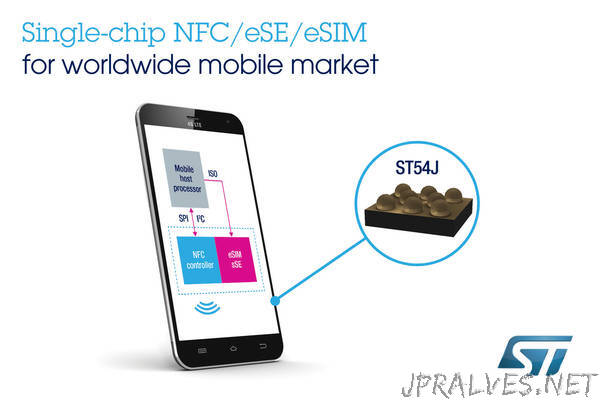
When swapping to an international eSIM, your biggest security win is ditching physical SIM swaps—a common way attackers hijack your number. The remote provisioning process is encrypted, but you must download your eSIM profile only from the provider’s official app or website to avoid fake QR codes that steal your data. Once installed, your eSIM profile lives in a phone’s secure element, making it harder for malware to clone than a removable card. Still, that convenience means your carrier knows exactly where you are, so check their privacy policy on logging location data. For hotspot sharing, use a VPN to prevent local snoops from seeing your traffic. Always keep your phone’s OS updated, as remote management features can become attack vectors if left unpatched.
Encryption standards used by virtual SIM providers
Virtual SIM providers for international eSIM deploy end-to-end AES-256 encryption to protect subscriber identity modules and authentication credentials during over-the-air provisioning. This standard secures the eSIM profile’s download and installation process, preventing interception of the unique key sets. Additionally, TLS 1.3 encrypts the communication channel between the device and the provider’s SM-DP+ server, ensuring that profile data is never transmitted in plaintext. The encryption keys are stored within a tamper-resistant secure element on the phone, isolating them from the operating system and third-party apps. Q: Are your roaming data packets encrypted by the provider’s standards? A: No—AES-256 protects only the eSIM activation and profile management, not user traffic. For data privacy, you must rely on separate VPN or end-to-end application encryption.
Avoiding data leaks when using public hotspots
When using an international eSIM, public hotspot data leak prevention starts by immediately disabling automatic Wi-Fi connections on your device. Always verify the exact network name (SSID) with a staff member before connecting. Activate your eSIM’s built-in VPN to encrypt all traffic, making it unreadable to snoopers on the same network. Avoid accessing banking or sensitive accounts while connected. For critical tasks, tether via your eSIM’s cellular data instead. A secure sequence is:
- Forget all previous hotspot networks from your device.
- Manually connect only to password-protected, verified hotspots.
- Launch your VPN before any browser or app use.
This routine ensures your data remains encrypted even on untrusted public Wi-Fi.
Cost Comparison Between Prepaid eSIMs and Local SIM Cards
When evaluating cost comparison between prepaid eSIMs and local SIM cards for international esim usage, prepaid eSIMs often eliminate hidden fees like airport kiosk markups or currency exchange losses. While a local SIM card may offer cheaper per-GB rates from a single country, an international eSIM provides transparent, flat-rate data bundles across multiple regions, avoiding the accumulative cost of buying separate physical SIMs for each destination. For travelers hopping between borders or needing instant connectivity upon landing, the convenience of a carrier-grade eSIM usually outweighs the marginal savings of a local SIM, especially when factoring in wasted time and transport costs to find a store. Ultimately, a serious cost comparison reveals that international eSIMs deliver better value for multi-stop trips, while local SIMs only win financially for extended stays in one country.
Pricing models for single destination versus multi-stop itineraries
For single destination trips, prepaid eSIMs typically offer a flat, regional data package at a per-GB rate that undercuts individual country passes. In contrast, multi-stop itineraries often demand either a global eSIM with a higher upfront cost but seamless transitions, or a “multi-region” plan that bundles countries at a discounted per-destination fee. A critical nuance is that buying separate single-country eSIMs for each stop often proves cheaper than a broad global plan if you spend several days in each locale. Thus, pricing models for multi-stop itineraries reward bundling but penalize short, scattered stays with high per-GB costs.
Single-destination eSIMs favor flat-rate regional plans, while multi-stop pricing hinges on bundled global or multi-region packages to avoid per-country surcharges.
Hidden convenience fees and currency conversion pitfalls
Local SIM cards often lure users with cheap data, only to hit them with hidden convenience fees at the airport kiosk or activation charges. Meanwhile, prepaid eSIMs can mask currency conversion pitfalls—your bank may levy a foreign transaction fee when purchasing the plan in USD or EUR. Always verify if the listed price includes all taxes and whether the provider uses a marked-up exchange rate that adds 3–5% invisibly. These small, obscured costs can turn a supposed bargain into the pricier option overall.
Hidden convenience fees and poor currency conversion rates can silently inflate your eSIM costs, making local SIMs cheaper only if you scrutinize every transactional layer.
Common Troubleshooting Tips for Digital Roaming Issues
When your international eSIM fails to connect abroad, first toggle Airplane Mode on for 30 seconds to force a fresh network registration. If data remains absent, manually select a local partner network in your device’s mobile network settings rather than relying on automatic selection. Ensure roaming is explicitly enabled for your eSIM line in the dual-SIM management menu, as default SIM settings often block data. A common question: Q: Should I delete my eSIM to fix no data? A: No—removing it requires a new QR code; instead, update the Access Point Name (APN) to match your provider’s exact profile, often found in their setup guide. For persistent disconnections, turn off 5G and lock the band to 4G/LTE, as older towers may lack compatibility, then restart your device to finalize the fix.
What to do when the network fails to register
If your eSIM isn’t registering on a foreign network, start by toggling Airplane Mode on for ten seconds, then off—this forces a fresh network scan. Next, manually select your carrier in your phone’s mobile network settings instead of using “Automatic.” You can also try rebooting your device, as this clears temporary glitches that block registration. Ensure your eSIM profile is correctly installed by checking it under “Cellular Plans” in settings. If needed, remove and re-add the eSIM using the QR code from your provider. Avoid overcomplicating it—these steps resolve most registration hiccups.
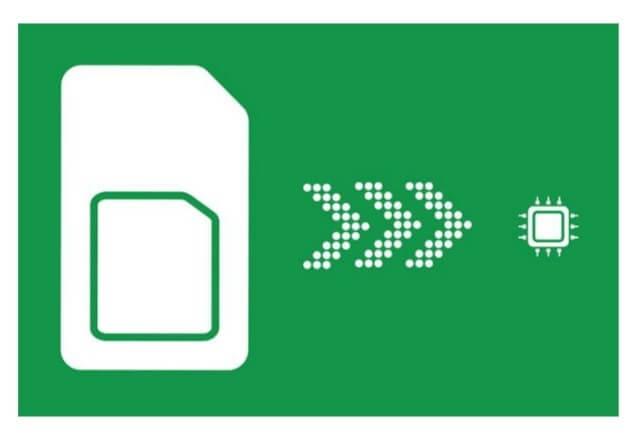
When the network fails to register, toggle Airplane Mode, manually select the carrier, reboot your phone, and verify the eSIM profile—re-add it if needed.
Resolving speed dips and dropped connections mid-trip
When mid-trip speeds dip or calls drop, first toggle your device’s airplane mode for 15 seconds to force a fresh network handshake. If the issue persists, manually select a different local carrier from your phone’s network settings—your eSIM likely supports multiple operators. Close bandwidth-heavy apps running silently in the background. For persistent disconnects, re-scan the eSIM QR code from your provider’s app; this often resets the roaming profile without losing data. Avoid manual APN changes unless specified by support, as incorrect entries can worsen roaming signal stability.
Speed dips and dropped connections mid-trip are typically resolved by refreshing the network handshake, changing the local carrier, or re-activating the eSIM profile.
Top Destinations Where Digital SIMs Provide Superior Value
For travelers, digital SIMs provide superior value in regions where local carrier plans are expensive or complex. In Japan and South Korea, eSIMs bypass restrictive prepaid kiosks and high roaming fees, offering immediate, budget-friendly data for maps and transit. Across Europe, a single eSIM covers multiple Schengen countries without swapping physical cards, often cheaper than one-off tourist SIMs. In the United Arab Emirates, eSIMs avoid airport SIM card markups and time-consuming registration. Australia’s remote areas benefit from eSIMs with multi-network access, ensuring coverage on Telstra’s extensive regional infrastructure. Q: Which region offers the most cost-saving with eSIMs? A: Europe, due to seamless cross-border connectivity without separate local SIMs for each country. Turkey and Thailand also see value, as eSIMs undercut overpriced tourist SIMs at arrivals.
Asia-Pacific hotspots with robust eSIM infrastructure
For travelers, Asia-Pacific hotspots with robust eSIM infrastructure deliver instant connectivity without physical swaps. In Japan, providers like Ubigi offer seamless speeds across bullet trains and rural shrines. South Korea’s LG U+ and SK Telecom ensure reliable 5G in Seoul’s subway and Jeju’s coastal trails. Thailand’s AIS and dtac provide affordable, high-capacity data for bustling Bangkok markets and island hopping, while Singapore’s Singtel enables zero-lag access to Marina Bay’s digital guides. Australia’s Telstra covers vast Outback routes with consistent signal strength.
- Japan: eSIMs from Ubigi and Mobal offer instant activation and coverage on shinkansen bullet trains.
- South Korea: LG U+ eSIMs unlock seamless 5G in Seoul’s metro and remote temples.
- Thailand: AIS eSIMs deliver affordable high-data plans for Phuket beaches and Bangkok street food tours.
European countries with affordable regional bundles
For travelers seeking affordable regional eSIM bundles in Europe, Italy stands out with plans covering the EU at under €10 for 10GB. Spain and Germany offer similarly priced multi-country packages, often including Portugal and France. Greece provides lower-cost options for Mediterranean coverage, while Poland’s regional bundles extend into neighboring Baltic states without extra fees. These plans typically include pooled data valid across Schengen Zone countries, eliminating per-country roaming costs. A single eSIM from a provider like Airalo or Holafly can thus cover a multi-stop trip for as little as €15 to €30 total.
| Country | Typical Regional Bundle Cost (10GB) | Countries Covered |
|---|---|---|
| Italy | €7–€12 | EU + Switzerland, UK |
| Spain | €9–€14 | Western Europe + Portugal |
| Poland | €6–€10 | Baltic & Central Europe |
Future Trends Shaping Borderless Data Access
The future of borderless data access hinges on dynamic, device-native connectivity. International eSIMs are evolving beyond static travel plans towards real-time, cost-optimized network switching, where your device automatically selects the strongest local carrier without manual intervention. Expect seamless handoffs between domestic and foreign networks as embedded profile technology matures, making physical SIM swapping obsolete. Another key trend is the proliferation of multi-IMSI (International Mobile Subscriber Identity) eSIMs, providing localised data rates across dozens of countries from a single profile. This eliminates roaming surcharges permanently. Finally, integrated eSIM management will become a core OS feature, allowing you to activate and manage multiple data plans simultaneously through a unified dashboard, ensuring you always have the most practical, active connection regardless of location.
Satellite integration and global coverage expansions
Satellite integration is dissolving dead zones, stitching universal low-earth-orbit connectivity directly into your eSIM profile. This means your device automatically switches from terrestrial towers to overhead satellites without manual SIM swaps, keeping chats and maps alive on remote peaks or open oceans. As satellite constellations densify, global coverage expansions eliminate roaming patches entirely—your eSIM now sees one seamless planet, not fractured carrier zones.
Regulatory changes impacting virtual carrier partnerships
New rules are reshaping how your eSIM works by tightening the rules on virtual carrier roaming agreements. Regulators now demand that the local network you connect to is fully disclosed in your plan, not hidden behind a partner. This means partnerships must prove they follow local data sovereignty laws, so your connection doesn’t route through unauthorized hubs. You’ll also see faster disconnection if a virtual carrier fails to meet local compliance standards.
- Your eSIM provider must now clearly state which local network will handle your data, ending vague “partner network” labels.
- Partnerships must ensure your traffic stays within the country’s borders where required, preventing rerouting through third nations.
- Contracts between virtual carriers and local operators now include automatic break clauses if data handling fails Singapore eSIM local privacy laws.
What a Global eSIM Actually Does for Your Phone
How it replaces physical SIM cards when crossing borders
Which devices support this type of connectivity
Key Features That Matter When Traveling Abroad
Multi-country data bundles vs. single destination plans
Instant activation without visiting a store
How to Set Up and Activate a Roaming Profile
Scanning a QR code vs. manual profile installation
Switching between eSIMs for different trips
